Understanding Natural Ingredients in Men's Lifestyle Nutrition
An educational resource exploring plant-based and naturally sourced components commonly discussed in contemporary men's daily nutrition habits across Germany and Europe.
Educational content only. No promises of outcomes.
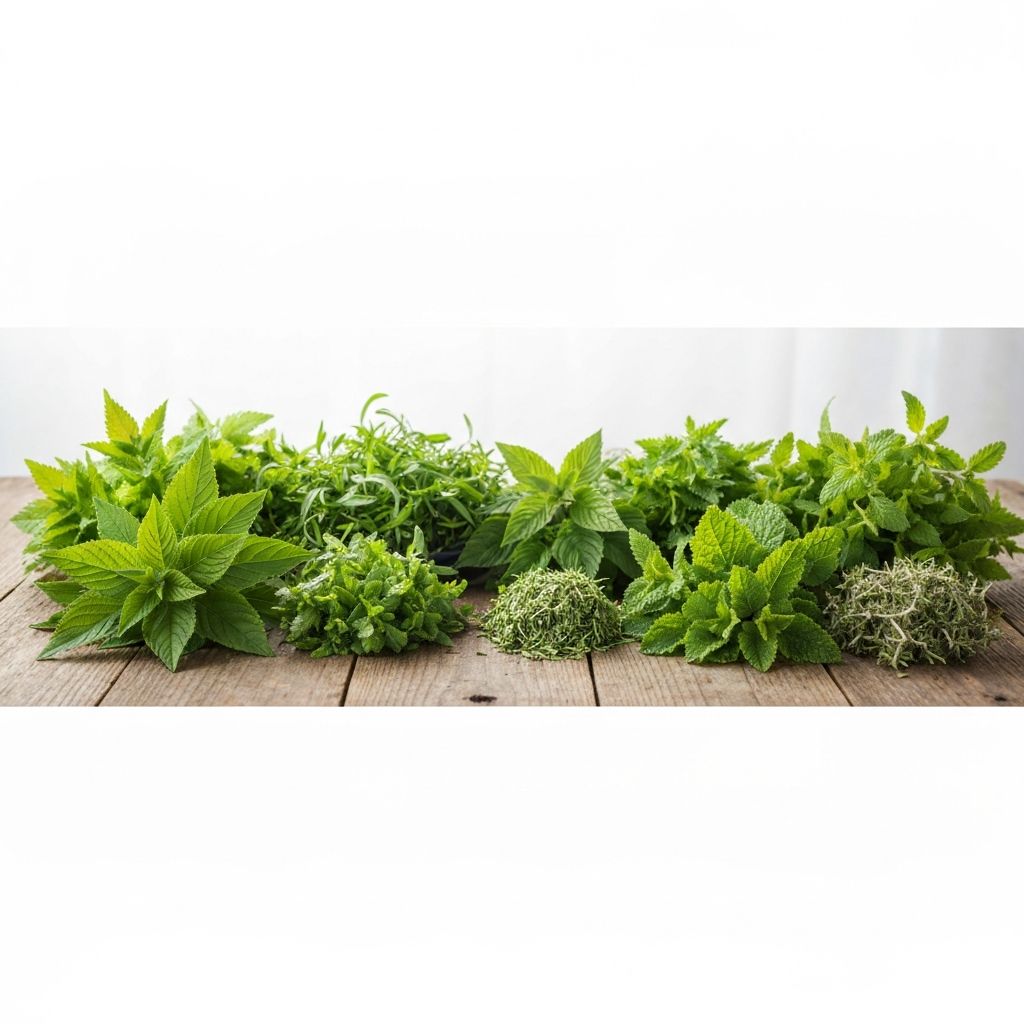
Ingredient Origins
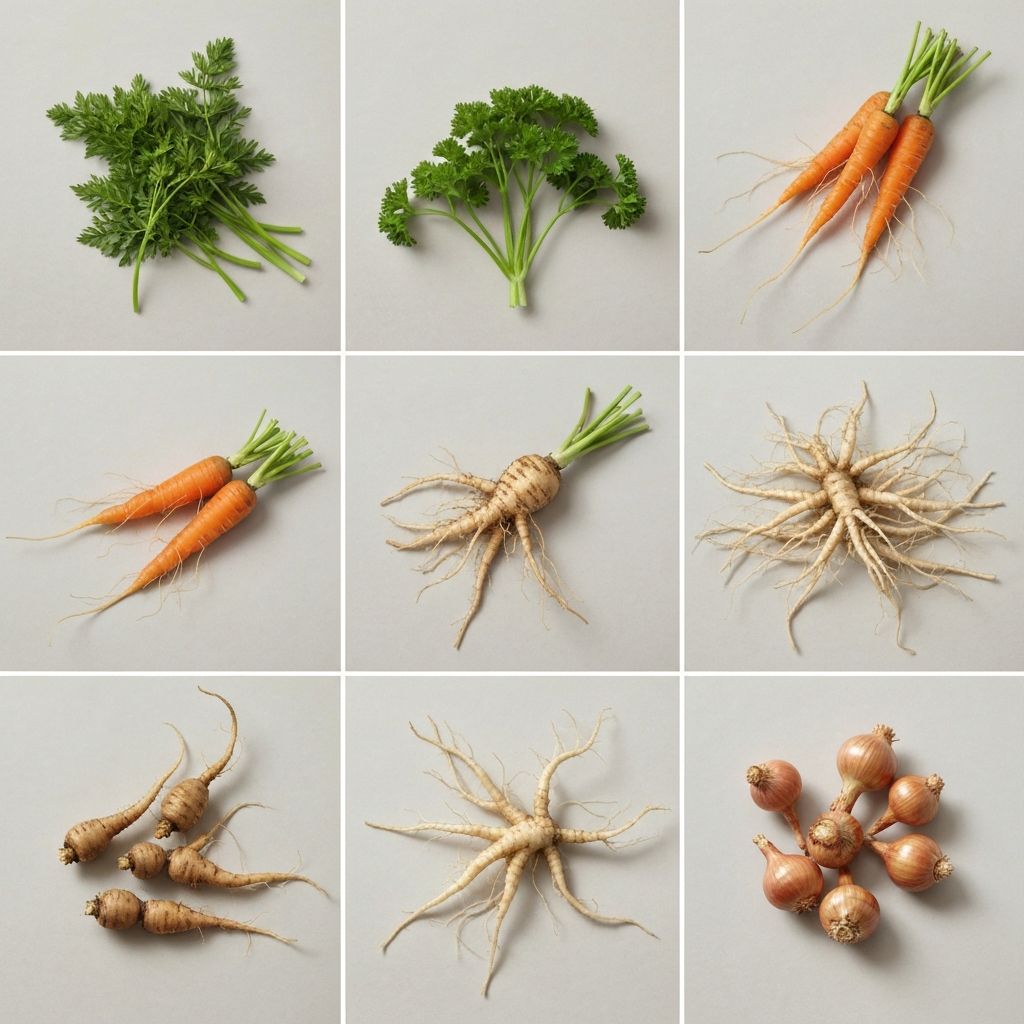
The botanical components commonly found in contemporary lifestyle nutrition have diverse geographical and cultural origins. Many trace their use back centuries across different civilizations and regions worldwide.
Understanding where these ingredients come from provides context for their traditional roles in various cultures. From Asian ginseng to Mediterranean saw palmetto, each plant-based component carries historical significance in its region of origin.
Geographical Distribution
Natural ingredients discussed in men's lifestyle contexts originate from multiple continents. Asian regions contribute components like ginseng and green tea extract. European sources include nettle root and pumpkin seed. South American plants such as maca have also gained attention in lifestyle discussions.
Climate and soil conditions significantly influence which plants grow in specific regions. Traditional knowledge from these areas has been passed down through generations, forming the basis for contemporary interest in botanical components.
Cultural Background
Throughout history, various cultures have incorporated plant-based ingredients into their daily nutrition traditions. These practices reflect the available natural resources in different regions and the accumulated knowledge of generations.
Traditional European Practices
European cultures have long utilized local botanical resources. Nettle, for example, has been part of Central European nutrition habits for centuries. German-speaking regions particularly recognized various herbs and plant components in their traditional approaches to daily wellness.
Asian Herbal Traditions
Asian cultures, especially in China, Korea, and Japan, developed extensive knowledge systems around plant-based ingredients. Ginseng holds particular cultural significance across these regions, often featured in traditional nutrition practices and daily routines.
Modern Integration
Contemporary lifestyle approaches in Germany and across Europe now reflect this diverse cultural heritage. Men interested in natural nutrition often explore ingredients from various traditional backgrounds, seeking to understand their historical context and cultural significance.
Modern Lifestyle Context

In contemporary Germany, discussions around men's lifestyle nutrition increasingly incorporate natural and plant-based components. This reflects broader trends toward understanding traditional ingredients and their roles in daily habits.
Urban and rural populations alike show interest in learning about botanical components that have historical precedent in various cultures. This educational interest spans age groups and backgrounds, reflecting curiosity about natural alternatives in nutrition.
Daily Nutrition Patterns
Modern men in Germany often seek information about incorporating diverse nutrients into their routines. This includes exploring both local European plants and ingredients from other cultural traditions.
The lifestyle context emphasizes understanding rather than prescription. Men educate themselves about various options available in the marketplace, from single-ingredient supplements to combination formulations.
Ingredient Categories
Plant-based components discussed in men's lifestyle nutrition generally fall into several broad categories based on their botanical classification and traditional usage patterns.
Herbal Extracts
Herbal extracts represent concentrated forms of plant materials. Common examples in lifestyle discussions include green tea extract, nettle root extract, and various traditional herbs. These are typically derived through specific extraction processes that concentrate particular plant compounds.
Botanical Roots
Root-based ingredients have featured prominently across cultures. Ginseng varieties, maca root, and other root vegetables contain unique nutrient profiles that have attracted attention in lifestyle contexts.
Seeds and Nuts
Pumpkin seeds, saw palmetto berries, and various nuts represent another category. These whole-food sources provide diverse nutrients and have been part of traditional European nutrition for generations.
Vitamins and Minerals
Essential vitamins and minerals derived from natural sources complement plant-based ingredients. Zinc, vitamin D, and B-complex vitamins frequently appear in discussions about men's daily nutrition needs.
Common Natural Sources
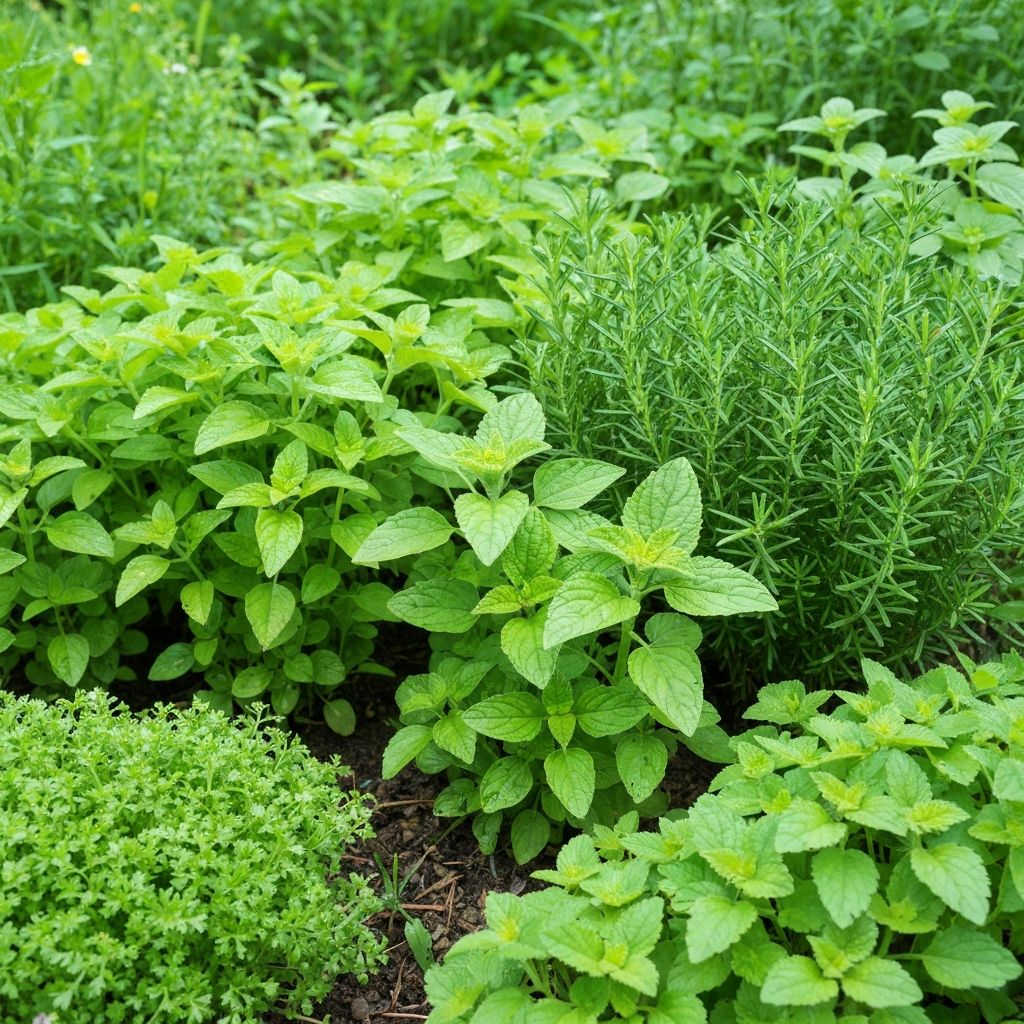
Men exploring natural nutrition in Germany encounter various plant-based sources in lifestyle product formulations. Understanding these common ingredients provides context for informed decision-making.
Saw Palmetto
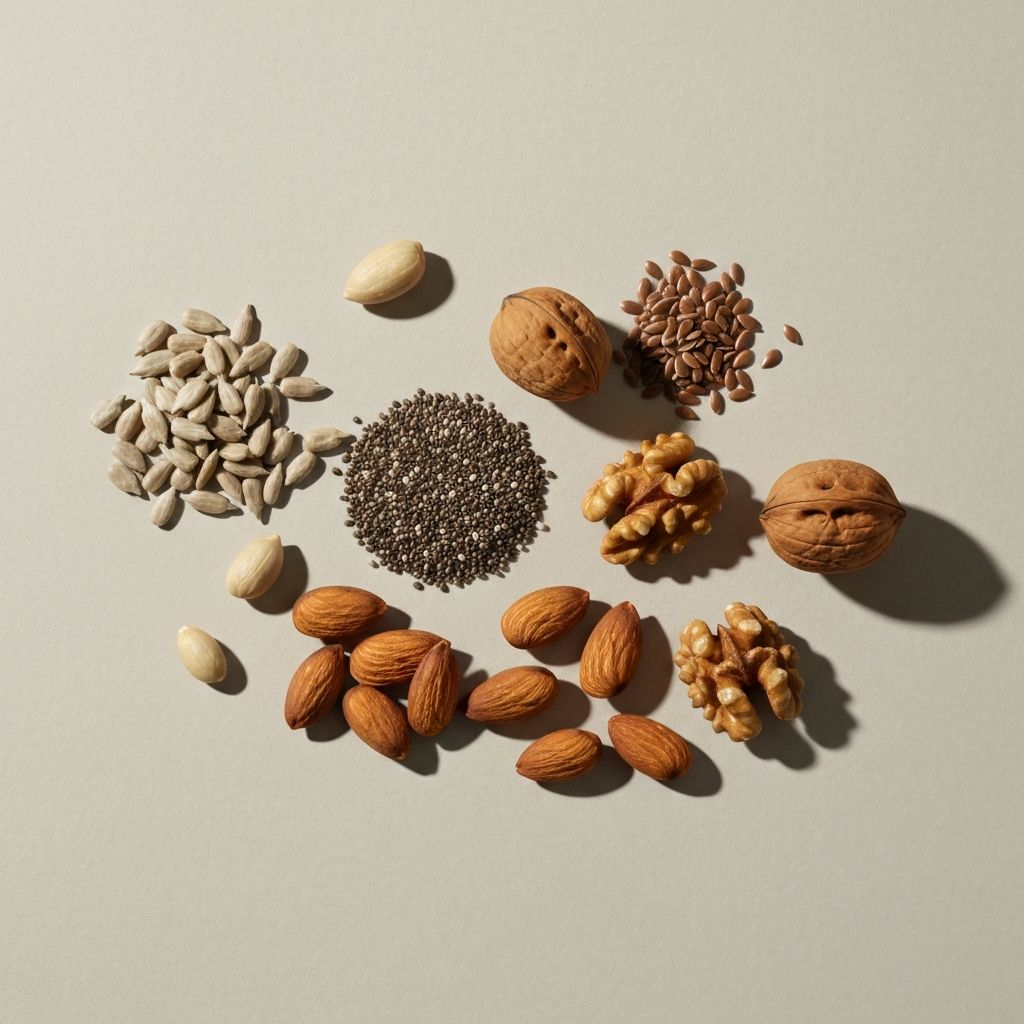
Saw palmetto berries come from a small palm tree native to the southeastern United States. Traditionally used by indigenous populations, saw palmetto has become a frequently discussed ingredient in European men's lifestyle contexts over recent decades.
Nettle Root
Stinging nettle grows widely across Europe, including Germany. The root portion specifically has historical use in Central European traditions. Nettle root appears frequently in contemporary lifestyle product formulations aimed at men.
Pumpkin Seed
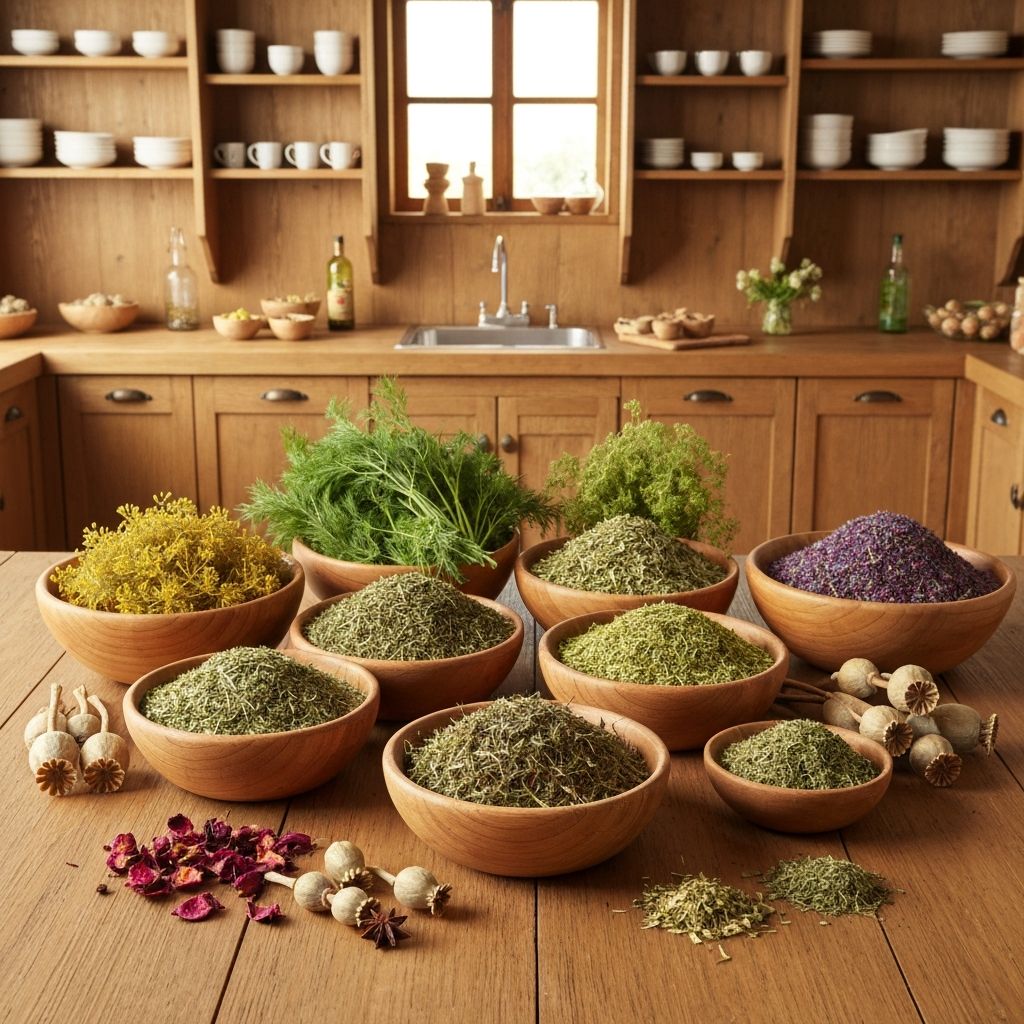
Pumpkin seeds represent a whole-food ingredient common in European cuisine and nutrition traditions. Rich in various nutrients, pumpkin seeds have been part of German dietary patterns for generations.
Panax Ginseng
Asian ginseng, specifically Panax ginseng, carries significant cultural weight in traditional Asian contexts. This root has gained attention in European markets as interest in traditional Asian ingredients has grown.
Green Tea Extract
Derived from Camellia sinensis, green tea extract concentrates compounds found in traditional green tea beverages. Its presence in lifestyle formulations reflects longstanding Asian tea traditions.
Maca Root
Native to the Peruvian Andes, maca represents traditional South American nutrition knowledge. This root vegetable has entered European lifestyle discussions relatively recently, reflecting globalized interest in diverse plant-based ingredients.
Educational Insights

Learning about natural ingredients involves understanding multiple perspectives, from traditional cultural knowledge to contemporary lifestyle applications. This educational approach emphasizes context and diversity of practices.
Reading Labels
Men interested in natural ingredients benefit from understanding product labeling. This includes recognizing botanical names, understanding extract ratios, and identifying source information. European regulations require specific labeling standards that provide transparency about ingredient origins and processing.
Quality Considerations
The provenance of botanical ingredients varies significantly based on growing conditions, harvesting methods, and processing approaches. Understanding these factors helps in evaluating different product options in the marketplace.
Individual Variation
Individual experiences with natural ingredients vary based on numerous factors including baseline nutrition, lifestyle habits, and personal physiology. This variability underscores the importance of personal exploration and informed decision-making rather than universal prescriptions.
Complementary Approaches
Natural ingredients typically represent one aspect of broader lifestyle patterns. Physical activity, sleep quality, stress management, and overall nutrition all contribute to daily wellness. Plant-based supplements complement rather than replace these foundational lifestyle factors.
Limitations and Context
Educational Purpose Only
This website provides educational information about natural ingredients commonly discussed in men's lifestyle contexts. The content explains botanical origins, cultural backgrounds, and general characteristics of plant-based components.
Not Individual Advice
Information presented here does not constitute personal recommendations or individualized guidance. Every person's situation differs based on health status, lifestyle factors, and personal circumstances. Decisions about nutrition and supplements remain personal choices that individuals make based on their own research and consultations.
Diversity of Approaches
Multiple valid approaches exist regarding natural ingredients in men's lifestyle contexts. Different cultural traditions, personal preferences, and individual needs lead to varying practices. This diversity reflects the personal nature of nutrition and lifestyle choices.
Informational Resource
Linovar serves as an educational knowledge hub about botanical components in men's lifestyle nutrition. We explain concepts, provide historical context, and describe common ingredients without advocating specific actions or promising particular outcomes.
Personal Decision-Making
Readers should conduct their own research, consider their individual circumstances, and make informed personal decisions. Professional consultations remain valuable when individuals seek personalized guidance regarding their specific situations.